

Five Women. One Historic Challenge. A Legacy That Continues.
In 1929, five Alberta women helped change Canadian history.
Emily Murphy, Henrietta Muir Edwards, Nellie McClung, Louise McKinney and Irene Parlby challenged the interpretation of Canada's Constitution that prevented women from being appointed to the Senate.
Their determination led to the landmark Persons Case decision on October 18, 1929. The decision established that women were eligible for appointment to the Canadian Senate, opening another door to women's participation in public life.
But their story extends beyond one court decision.
Each woman contributed to political and social change in her own way. Together, they challenged established expectations about women's roles and opportunities in Canadian society.
Their legacies are also complicated. Some supported beliefs and policies that caused significant harm, including eugenics. The progress they helped achieve did not benefit all women equally.
Understanding their history means recognizing both their achievements and their contradictions.
As we approach the 100th anniversary of the Persons Case in 2029, their story invites us to consider how change happens, whose voices are heard and what barriers remain.
We're not done yet.
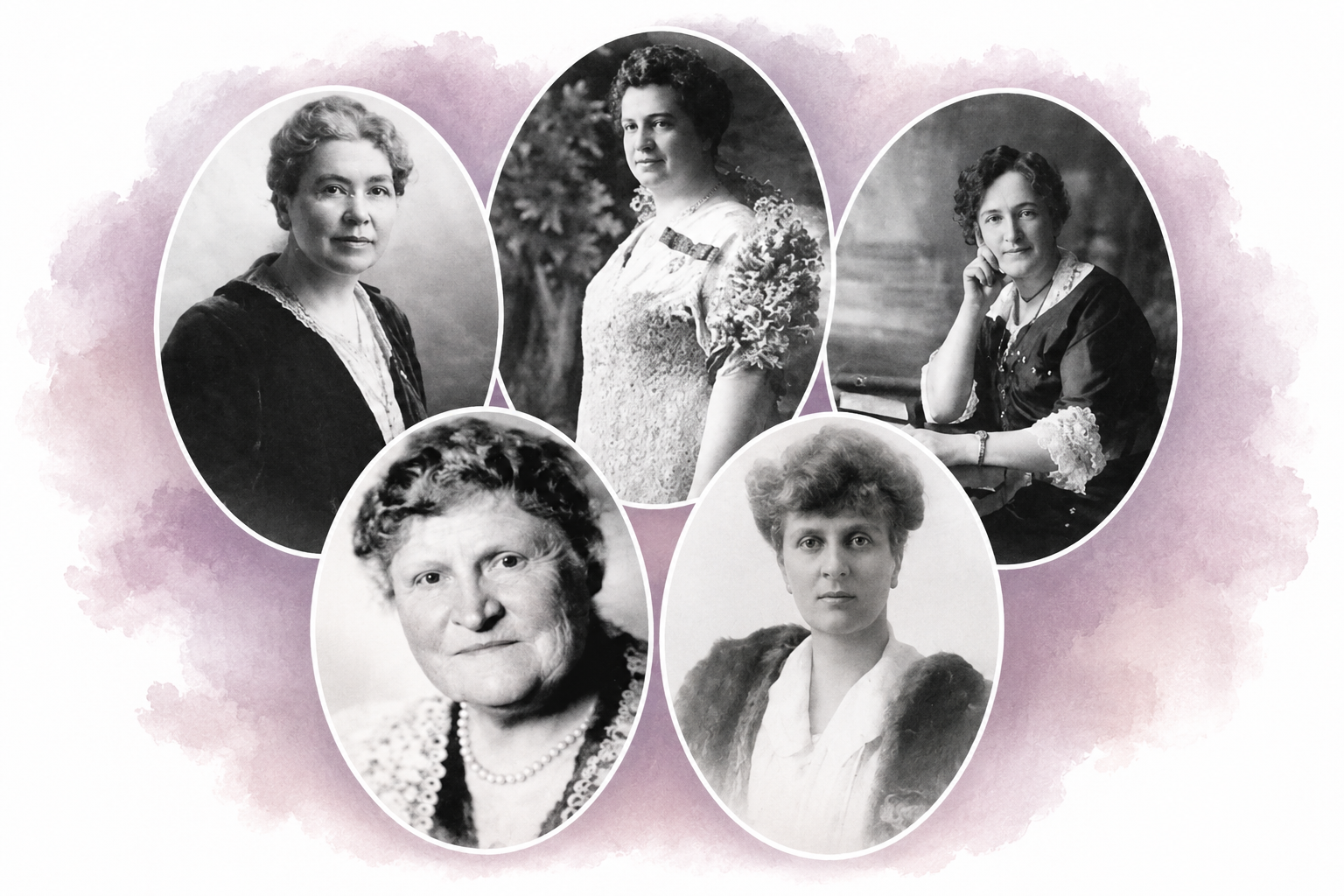
Meet the Famous 5
Five women with different backgrounds, experiences and contributions came together to challenge a barrier to women's participation in Canadian public life.
Explore their individual stories and the issues that shaped their work.
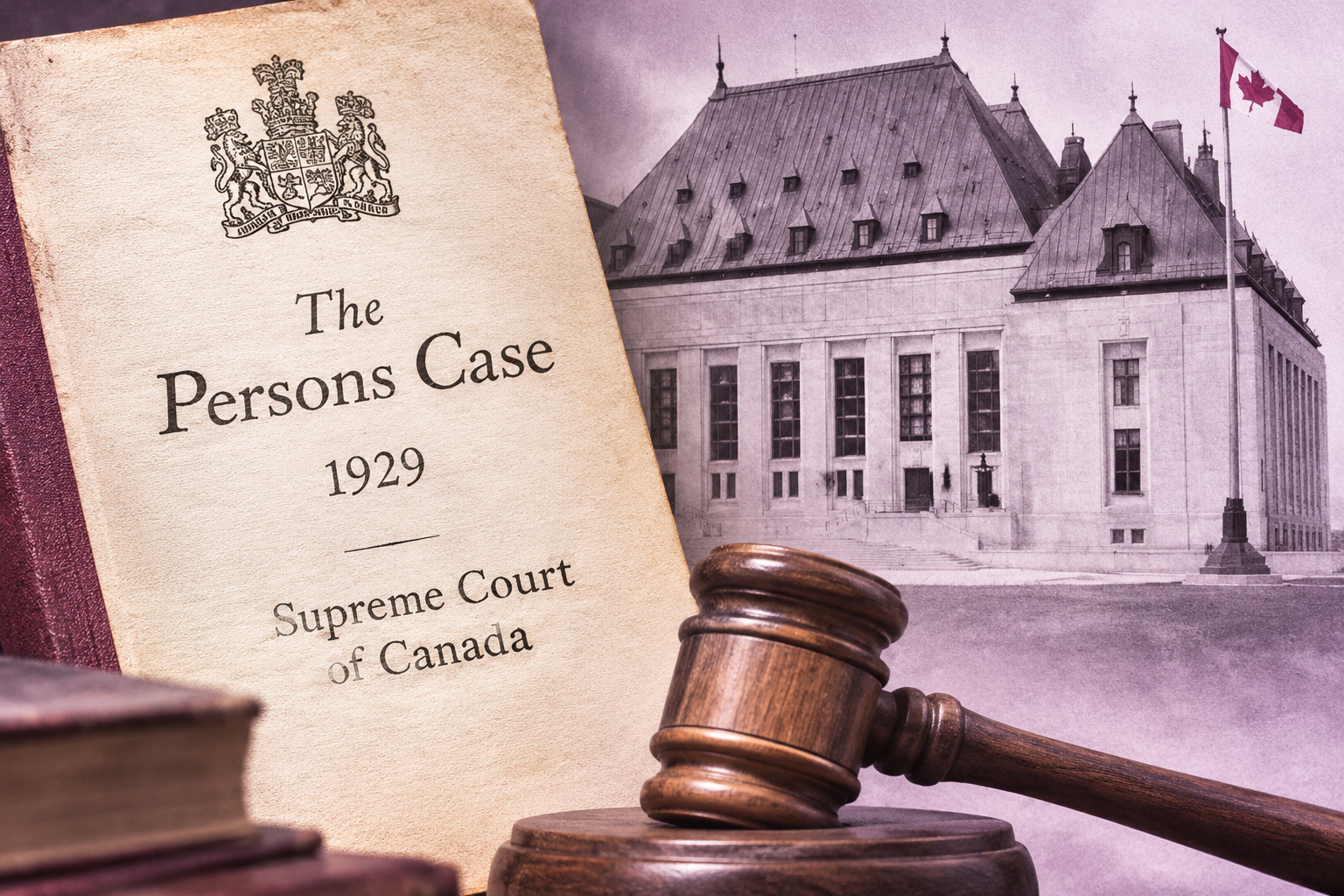
The Persons Case
How did five Alberta women challenge the interpretation of Canada's Constitution?
Discover the legal challenge, the 1928 Supreme Court decision, and the historic October 18, 1929 ruling.
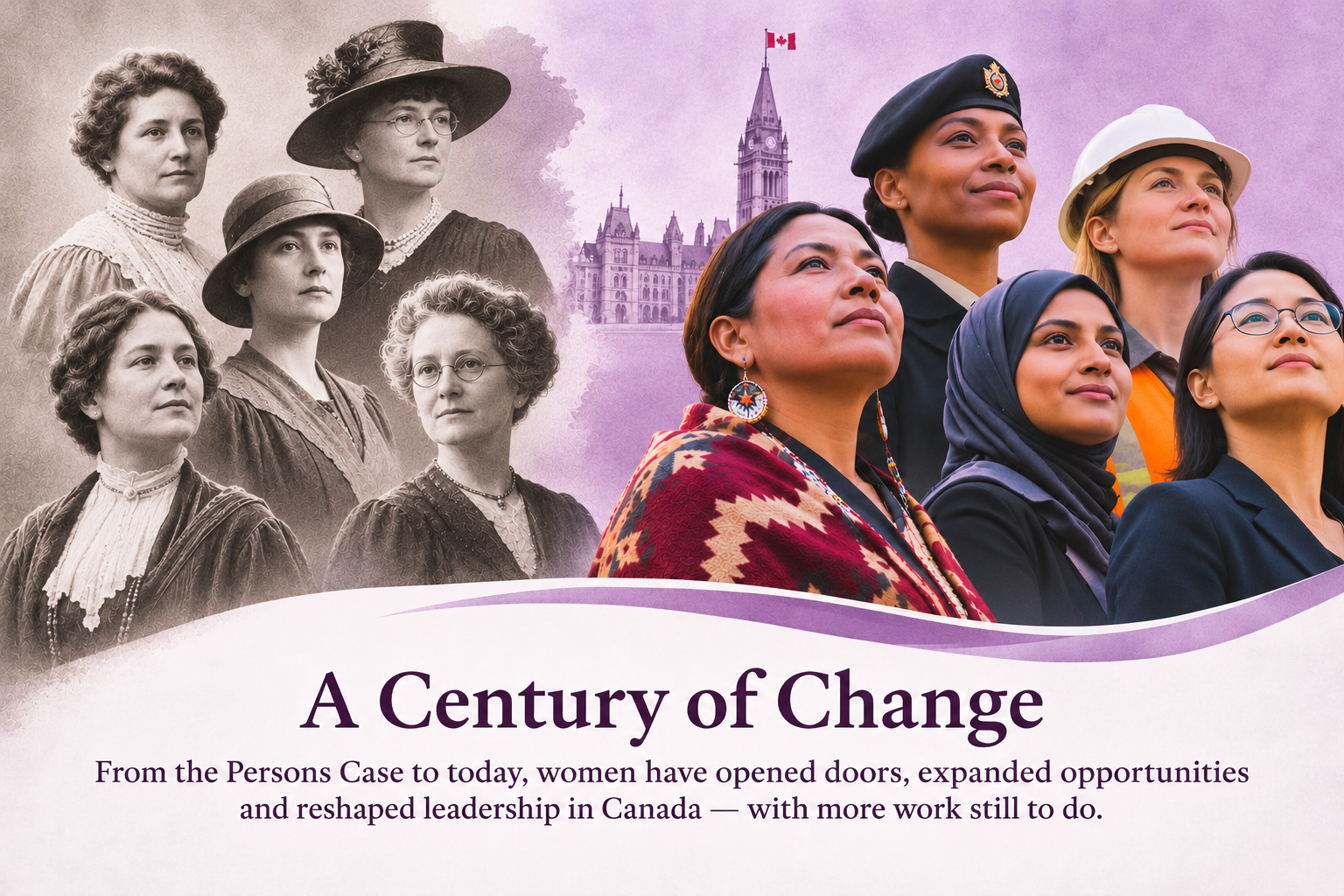
A CENTURY OF CHANGE
The Persons Case was a beginning, not an ending.
Trace the progress, setbacks and unfinished work that have shaped women’s participation, leadership and rights over the past century.
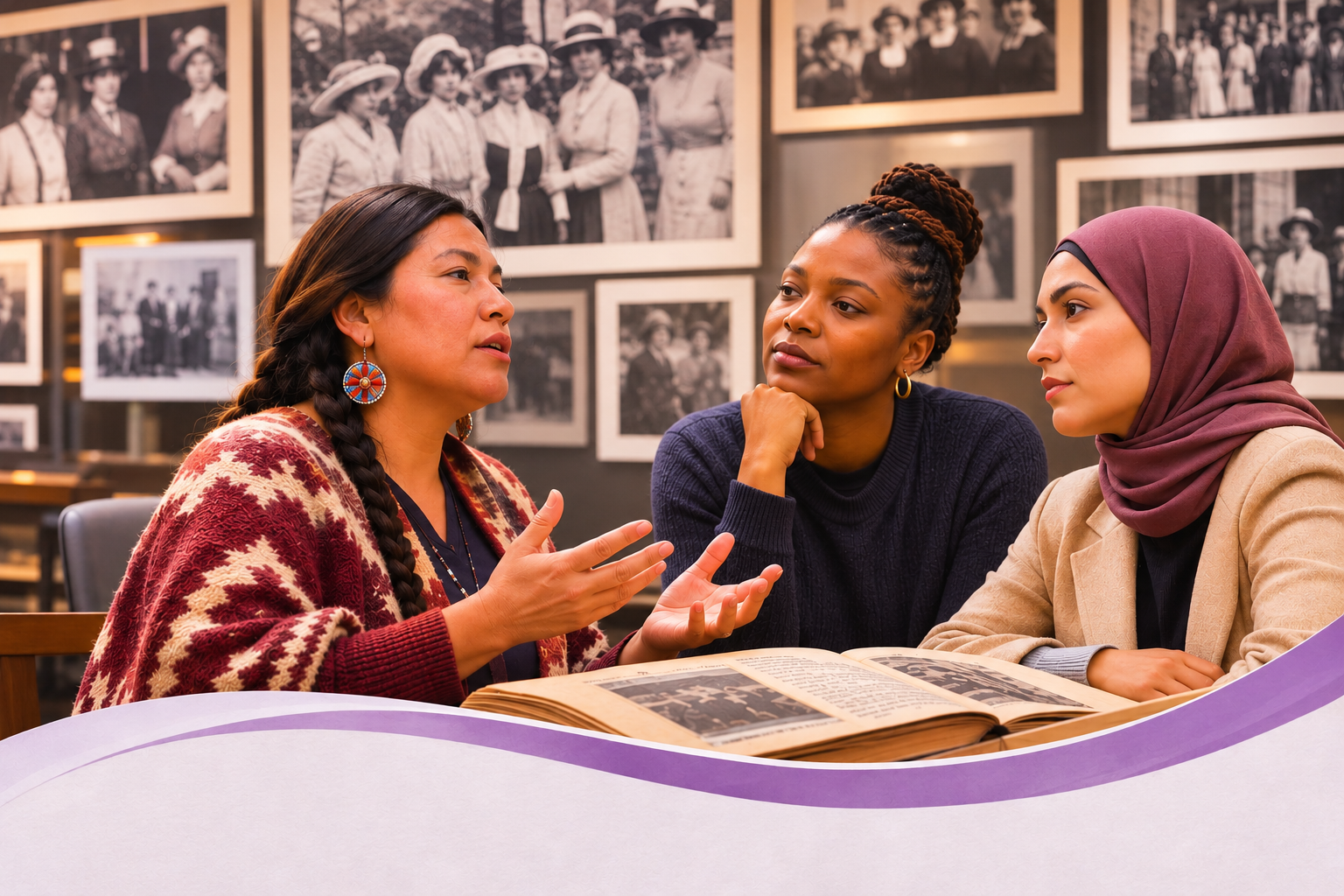
COMPLICATED LEGACIES
History is rarely simple. This section explores the full legacy of the Famous 5, including important achievements, difficult questions and the need to understand the past with honesty and care.
“I‘ve never thought minding my own business is much of a virtue. Too often it‘s just an excuse for not taking action when action needs taking!”