
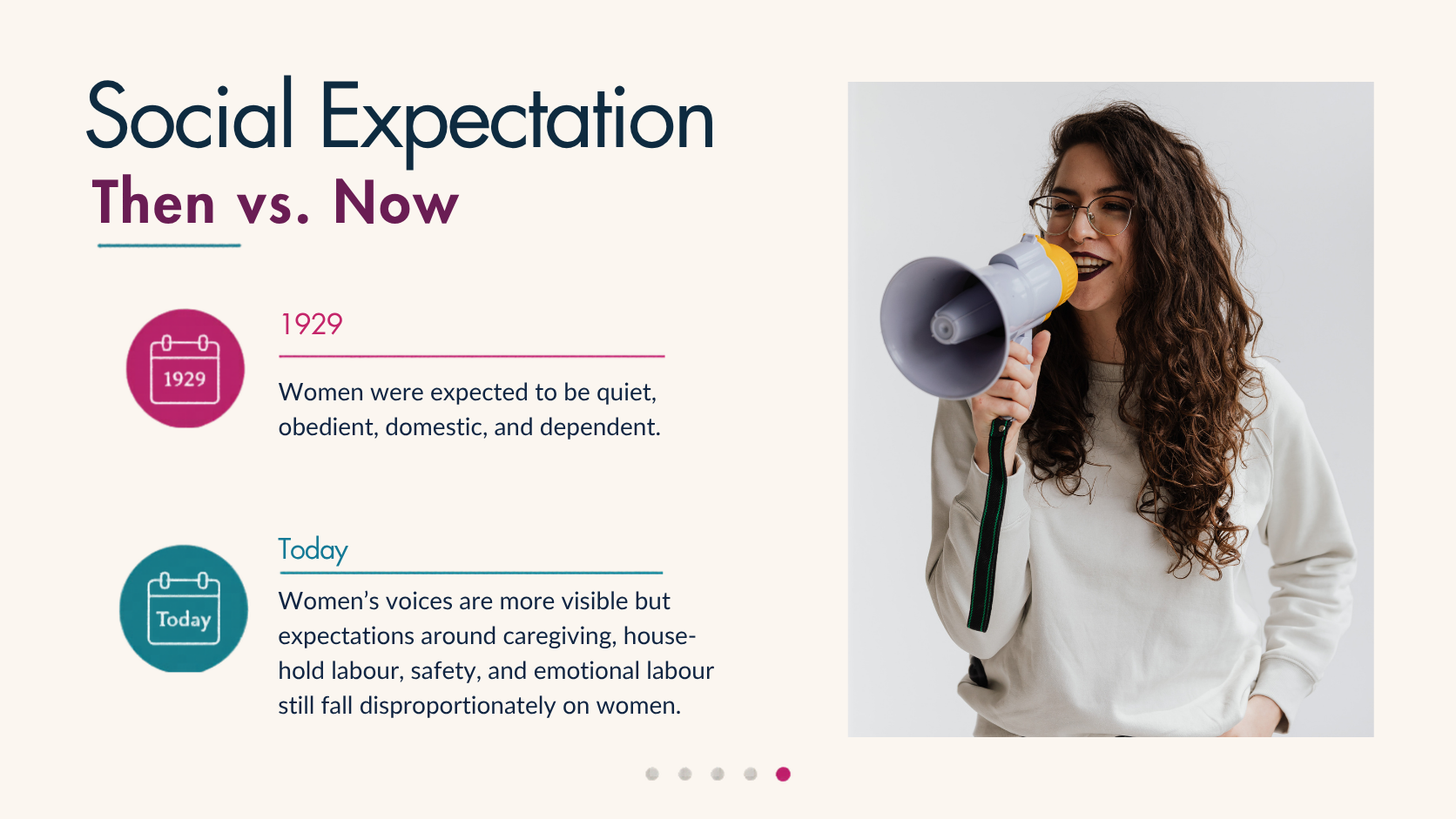
A Historic Victory. A Living Legacy.
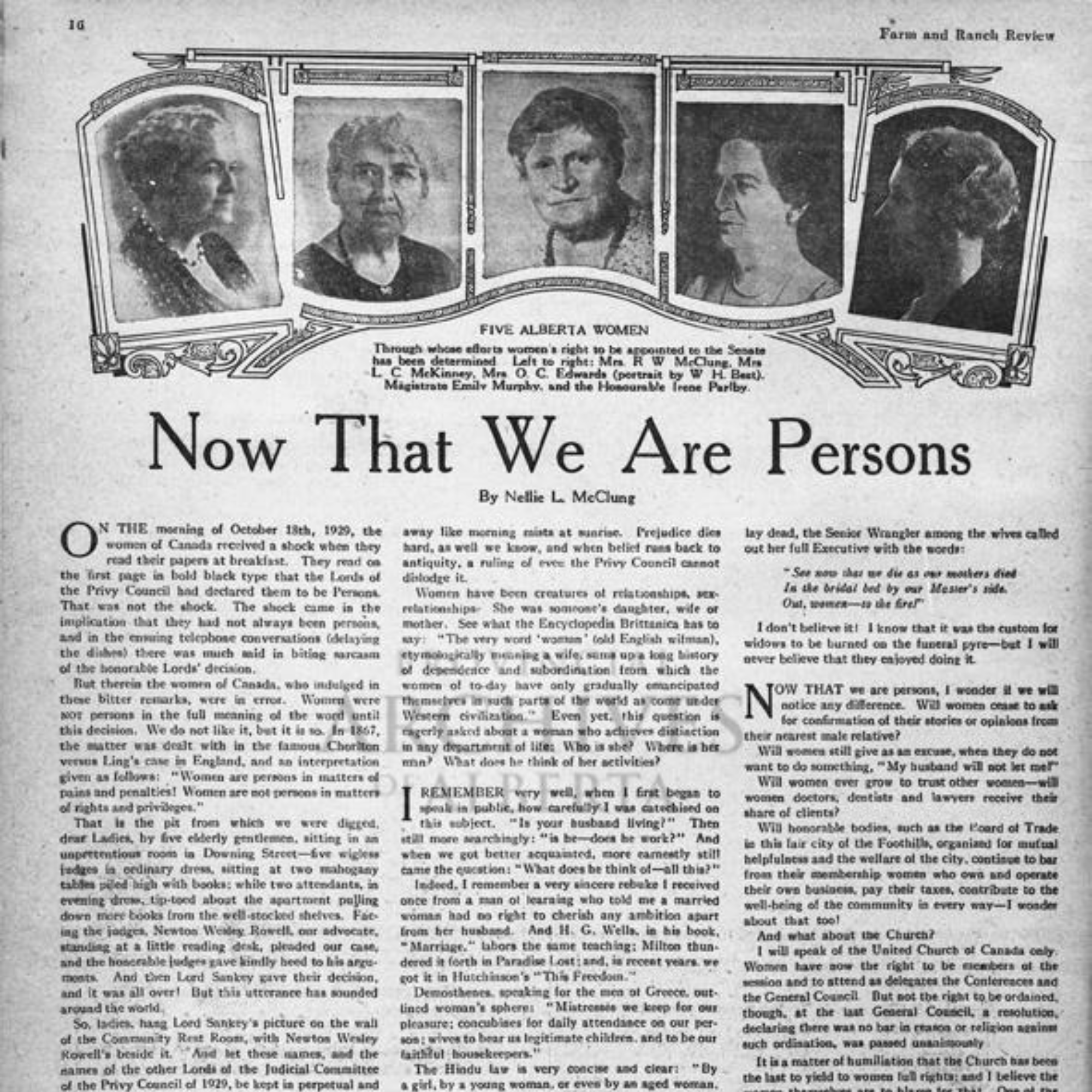
In 1929, five women asked a question that changed Canada:
Are women persons under the law?
At first, the answer was no.
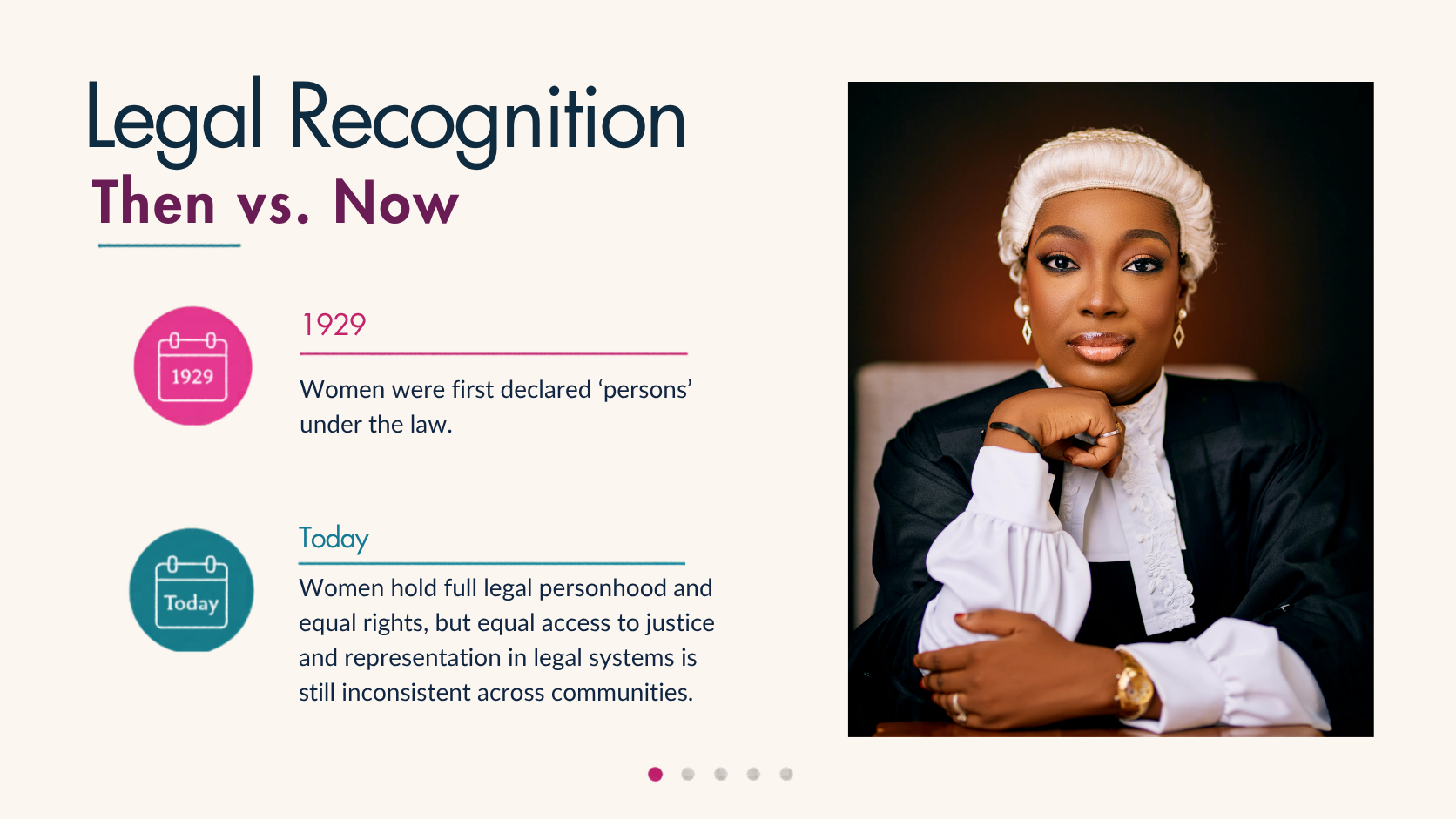
But Emily Murphy, Louise McKinney, Irene Parlby, Henrietta Muir Edwards, and Nellie McClung kept going. Their appeal led to the historic Persons Case decision, declaring that yes, women are persons.
That decision opened doors for generations of women and helped shape the Living Tree Doctrine, the idea that Canada’s Constitution can grow and expand to better reflect changing society.
The Famous 5 Foundation honours the courage of the Famous 5 by creating spaces for education, connection, and leadership, so more women, girls, and gender-diverse people see themselves reflected in Canada’s future.
Nearly 100 years after the Persons Case declared that women are persons under the law, the work of equality, representation, and belonging continues.
What We Do
The Famous 5 helped change what was possible for women in Canada in 1929. Nearly 100 years later, their legacy reminds us that progress is never guaranteed, and rights do not protect themselves.
Through education, public programming, national storytelling, and community conversation, the Famous 5 Foundation creates opportunities for people to learn from the past, engage with the issues shaping women’s rights today, and help build a more equitable future.
Be Part of What Comes Next
There is more than one way to support equality, representation, and leadership in Canada.
Whether you learn, attend, or share you help carry this work forward.
-
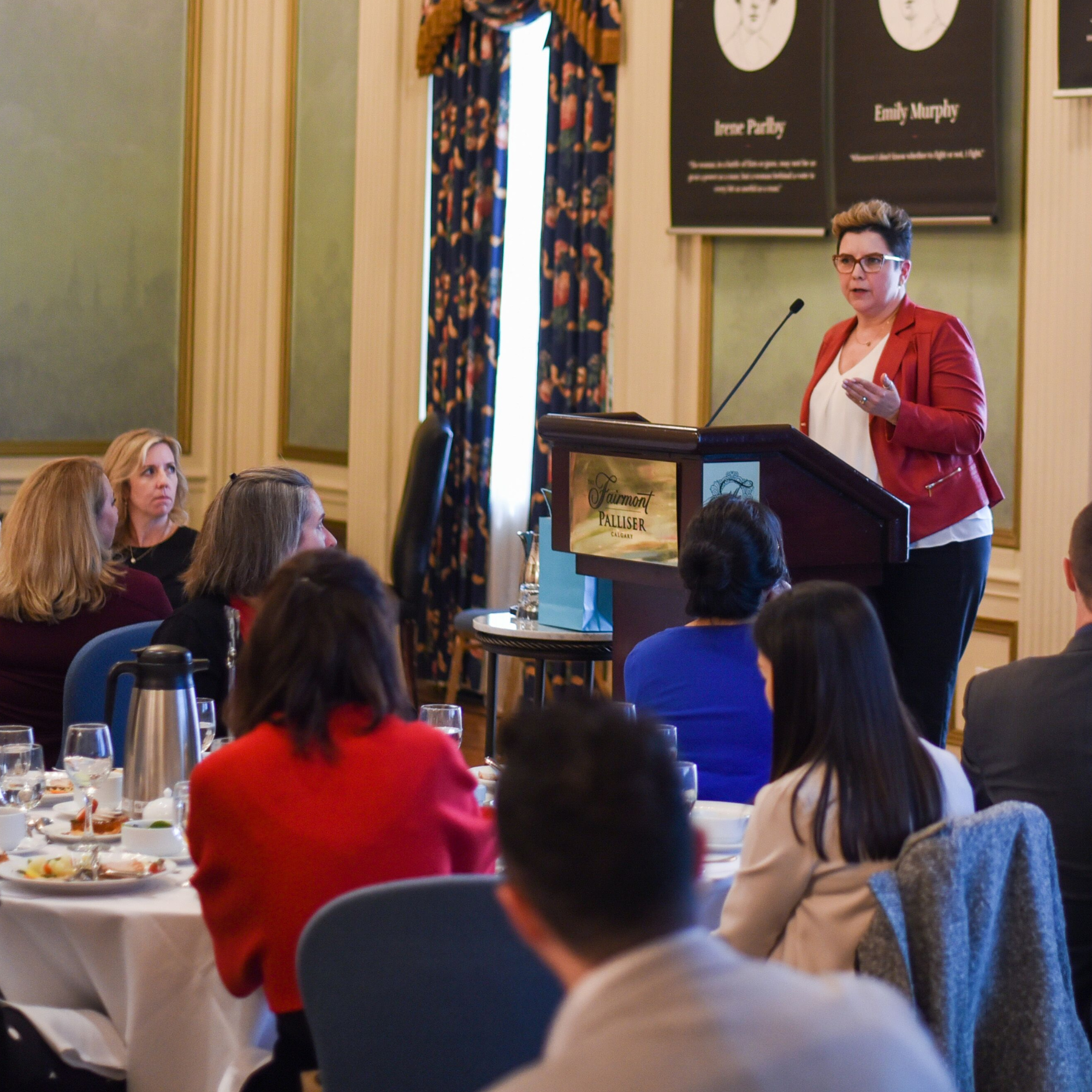
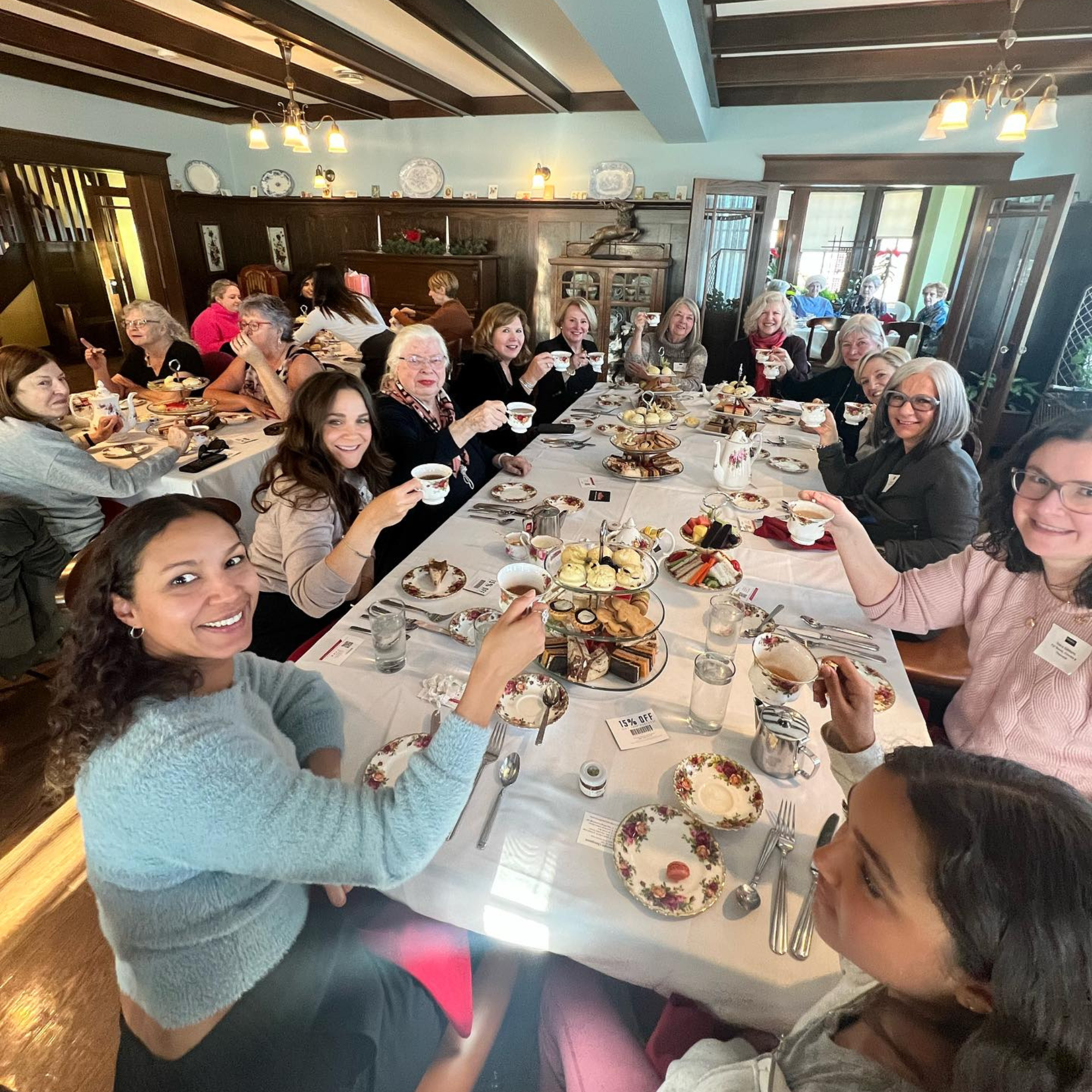
Pink Teas were once used by suffragists as safe and strategic places to gather, organize, and imagine change.
Today, the Famous 5 Foundation carries that spirit forward through modern Pink Teas that bring people together for meaningful dialogue, relationship-building, mentorship, and community connection.
-
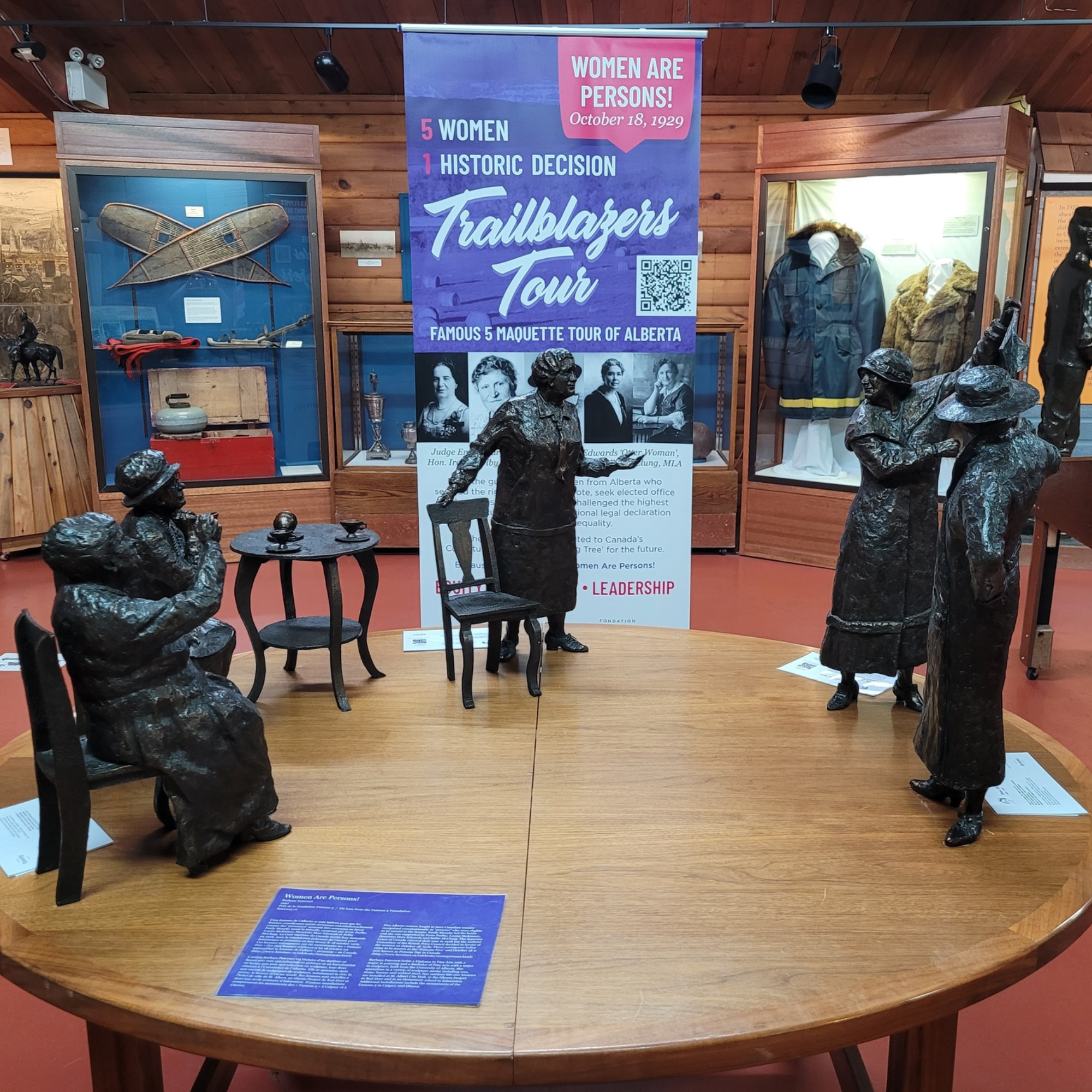
The Trailblazers Tour shares the Famous 5 story through the miniature bronze maquette and related programming in schools, libraries, public spaces, and community venues.
More than a history exhibit, the tour invites Canadians to reflect on leadership, representation, and the unfinished work of equality. It helps communities connect the legacy of the Persons Case to the conversations we are still having today.
-
Receive updates, event invitations, and meaningful ways to take part in the work.